“grading standard” search results (2000)
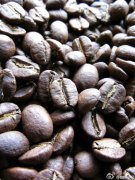
How coffee beans are graded in coffee producing countries
The traditional coffee bean classification method is usually based on the classification standard defined by the coffee producing country, and then agreed on the international market, and traded under such tacit understanding.
2014-08-22 coffee knowledge coffee producing countries coffee bean grading how to grade
The Common sense of Coffee beans correctly using Q Grader to Grade Coffee
In the Q Grader course (a professional coffee bean grading course), I found that people can't be 100% objective when grading coffee beans. Everyone's experience of coffee is different, because we have different taste buds, different noses and different brains, so we can't judge the taste of coffee objectively. For example, when I have a drink
2015-01-08 Coffee beans common sense correct use Grader coffee grading Gra
General knowledge of fine coffee beans grading of raw coffee beans
There are two ways to classify raw coffee beans, one is the filter number, and the other is the elevation. It is divided by the filter number, and the size is size in terms of the screen size. Round beans are generally smaller than flat beans, between 8-13 and 12-29. 8, 9, 10. 12, 13. 18. 29 = small, medium, ordinary. Quasi-big. Big, extra large. The bigger the size, the bigger the beans. Like SC-.
2014-11-13 Coffee knowledge boutique coffee coffee bean common sense grading
Analysis of Chinese Coffee quality and grading of Yunnan Coffee
Yunnan coffee specific quality: raw coffee bean appearance requirements: the color should be light blue or light green, with luster, fresh smell, no sour and odor and other peculiar smell, round or oval. Coffee rice classification: with screening extension, machine sieve, sieve hole 6.5, 6.0, 5.5, 5.0 mm is divided into five levels, each level has a standard sample, which is the lowest standard sample. Level I: above 6.5mm
2014-10-16 Coffee knowledge Chinese coffee Yunnan coffee coffee quality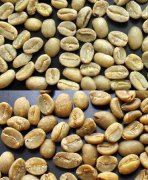
There are two methods for grading raw coffee beans in terms of sieve size, size
There are two ways to classify raw coffee beans, one is the filter number, and the other is the elevation. It is divided by the filter number, and the size is size in terms of the screen size. Round beans are generally smaller than flat beans, between 8-13 and 12-29. 8, 9, 10. 12, 13. 18. 29 = small, medium, ordinary. Quasi-big. Big, extra large. The bigger the size, the bigger the beans. Like SC-.
2015-10-05 Coffee raw beans grading method two kinds size sieve as a unit
American high school students sleep only 4 hours a day and drink 4 cans of coffee
Edward humes, american journalist, won the pulitzer prize, the highest journalism prize. He spent the school year squatting at a public high school. A year of experience led him to write a book called The School of Dreams, the first chapter of which had the long title: 4 is the magic number: 4 hours of sleep, 4 lattes, 4.0. This book describes the students of this high school:
2015-12-28 Journalist Squatting USA High School Student Daily 4 hours 4 cans Coffee Inside
The concept of Fine Coffee Specialty Coffee (1)
The traditional classification of coffee beans is usually based on the classification criteria defined by the coffee producing countries, and then agreed to become common in the international market and traded under such a tacit understanding. For a long time, coffee producing countries have their own classification and evaluation criteria for coffee, which serve as the pricing guidelines in the coffee market. But slowly in recent years, coffee consuming countries have begun to demand unified evaluation criteria.
2014-08-25 Coffee knowledge boutique coffee coffee definition
Distinguishing coffee beans and the grading of coffee beans teaches you how to distinguish coffee beans.
● distinguishes the key names and specifications of coffee beans the name of the port of export of ● can tell the shipping route from the name of the port of exit marked. Coffee from the same origin or the same brand has a certain route, so it is also exported from the same port. For example, if it is marked "Brazil." "Santos" means that this is coffee exported from Santos, with the exception of those marked "mocha".
2016-01-11 Distinguish coffee beans and grading teach you to master how essentials distinguish coffee
What is the main basis for the quality grade of coffee cups?
Coffee beans from all over the world, after different processing methods, have formed a variety of flavors and styles of coffee drinks. Tasting coffee is like tasting wine, there is a set of clear and clear methods. The quality grade of coffee is mainly evaluated according to the number of defects of coffee beans and cup products. If the total number of defects is not up to standard, the sample will not be cupped. Of each company.
2015-03-05 Coffee cups quality grades if according to what from all over the world coffee beans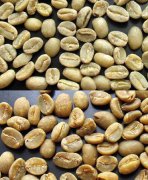
Classification of raw coffee beans in Coffee Encyclopedia
There are two ways to classify raw coffee beans, one is the filter number, and the other is the elevation. It is divided by the filter number, and the size is size in terms of the screen size. Round beans are generally smaller than flat beans, between 8-13 and 12-29. 8, 9, 10. 12, 13. 18. 29 = small, medium, ordinary. Quasi-big. Big, extra large. The bigger the size, the bigger the beans. Like SC-.
2014-09-19 Coffee encyclopedia raw coffee beans coffee raw beans grading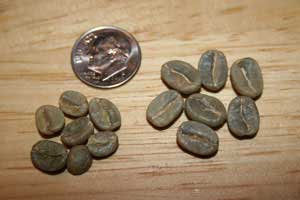
Knowledge points of Coffee Raw Bean: the concept of Fine Coffee Specialty Coffee (1)
The traditional classification of coffee beans is usually based on the classification criteria defined by the coffee producing countries, and then agreed to become common in the international market and traded under such a tacit understanding. For a long time, coffee producing countries have their own classification and evaluation criteria for coffee, which serve as the pricing guidelines in the coffee market. But slowly in recent years, coffee consuming countries have begun to demand unified evaluation criteria.
2015-12-18 Coffee raw beans knowledge essentials boutique Specialty Coffe
Coffee beans Yunnan coffee beans special secondary standard
Special Grade II Appearance and Sensory Characteristics items require special Grade II Sensory Aroma, flavor and taste are very good. Appearance should be light blue or light green. Physical indicators Special Grade II (7.1mm) Inspection method Particle size/>, % 90 DB53/T 154.6 Broken beans/(%), 10 DB53/T 154.8 Discolored beans/(%), 2.0 DB53/T 154.8 Foreign matter/(%), 0.1 DB53
2014-09-30 Coffee knowledge Yunnan coffee beans fine coffee beans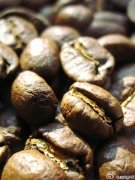
Classification standard of high-quality coffee beans Yunnan coffee bean special secondary standard
Special secondary appearance and sensory characteristics project requires special secondary sensory aroma, flavor and taste are very good. The appearance should be light blue or light green. Physical index item special second level (7.1mm) test method granularity / >, 90 DB53/T 154.6 broken beans / (%), 10 DB53/T 154.8 discolored beans / (%), 2.0 DB53/T 154.8 foreign bodies / (%), 0.1 DB53
2014-12-28 Boutique Coffee beans grading Standard Yunnan Grade II appearance senses characteristics
On the grading of raw coffee beans
The last step in the processing of raw coffee beans is grading, so what are the grading methods of raw coffee beans? Do different countries adopt the same approach? At present, there are three main rating criteria for raw coffee beans, and different countries adopt different rating methods according to their own production conditions and national conditions (not all coffee producing countries adopt the same method).
2014-09-02 Coffee raw bean grading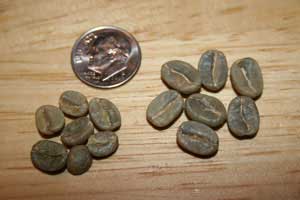
The concept of Fine Coffee Specialty Coffee (1) the third Wave of Coffee Culture and History in the World
The traditional classification of coffee beans is usually based on the classification criteria defined by the coffee producing countries, and then agreed to become common in the international market and traded under such a tacit understanding. For a long time, coffee producing countries have their own classification and evaluation criteria for coffee, which serve as the pricing guidelines in the coffee market. But slowly in recent years, coffee consuming countries have begun to demand unified evaluation criteria.
2016-01-23 Boutique Coffee Specialty concept World No.
Barista Certification scaa International barista Certification American Fine Coffee Association
The European Special Coffee Association (SCAE) barista certification standard there are a large number of barista training institutions around the world, but there is no independent knowledge-based testing and certification mechanism. Just like getting a driver's license, the European Special Coffee Association will no matter where you received the training, or even learned it yourself, you just need to write through us.
2016-04-25 Coffee Certification scaa International USA boutique Association European Special
Classification standard of high-quality coffee beans Yunnan coffee bean special first-class standard
The first-class appearance and sensory characteristics project requires that the special-level sensory aroma, flavor and taste are very good. The appearance should be light blue or light green. Physical index item special level (7.1mm) test method granularity / >, 90 DB53/T 154.6 broken beans / (%), 5 DB53/T 154.8 discolored beans / (%), 1.0 DB53/T 154.8 foreign bodies / (%), 0.1 DB53/
2014-12-28 Boutique coffee beans grading standard Yunnan first grade appearance senses characteristics
Common sense of graded coffee to distinguish between coffee beans and coffee beans
● distinguishes the key names and specifications of coffee beans the name of the port of export of ● can tell the shipping route from the name of the port of exit marked. Coffee from the same origin or the same brand has a certain route, so it is also exported from the same port. For example, if it is marked as "Brazil. Santos", it means that this is coffee exported from Santos, but the one marked "Mocha" is taken as an example.
2015-04-15 Distinguish coffee beans and grading coffee common sense discrimination essentials names
Fine coffee beans: teach you to distinguish coffee beans and coffee beans graded coffee basics
● Key to distinguish the name and specification of coffee beans ● Export port name From the indicated export port name, you can know the route of transportation. Coffee of the same origin or brand has a certain route, so it is also exported from the same port. For example, if the label is "Brazil." Santos "means it's coffee coming out of Santos, except when it's marked mocha.
2015-12-15 boutique coffee beans teach you distinguish and grade coffee primer basics
Grade Planning for the handling of Salvadoran Coffee introduction to the Santa Ana volcano area
Coffee treatment, washing treatment, sun drying. Coffee grades are classified according to altitude, the highest is SHG: SHG,strictly high grown,3950 feet (about 1200 meters); HG, high grown, 2950 feet (about 899m); CS, central standard, 1960 feet (about 597m). Note: 1 feet ft
2016-07-02 El Salvador Coffee treatment method Grade Planning introduction Anna Volcano Earth